
Fort Erie's Bertie Hall
Bertie Hall is a significant historic landmark in Fort Erie, and is located at 16 Phipps Street, Fort Erie, ON.
Constructed in 1833 by businessman William Forsyth Sr., he drew inspirations for its Greek revival design from architect John Latshaw, who was one of the pioneers in introducing the architectural style to Ontario.
Forsyth was a notable figure in Fort Erie, residing in the house until his death in 1841. He played a key role in promoting tourism to the area and was instrumental in planning what became the Bridgeburg Historic District. In its early years, the residence served multiple purposes—operating as a stagecoach stop, a hotel, and even a safe house.
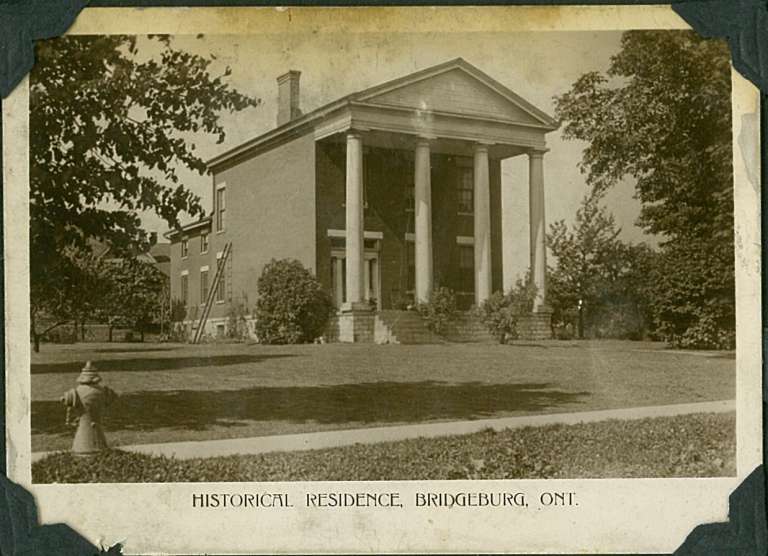

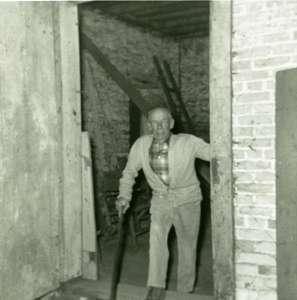
William Forsyth Sr. was a prominent local smuggler, reputed for his daring operations. Legend has it that his house hides secret passages and a tunnel stretching from the basement to the riverbank, used to transport both people and goods. Forsyth gained recognition for aiding African Americans fleeing slavery in the United States during a time when Canada and Britain were taking steps toward its abolition.
In the 1980s Niagara Parks took ownership of the hall which had previously signed lease agreements with the Town of Fort Erie and the museum, as well as the Mahoney Dolls’ House Gallery, a collection of miniature doll houses valued in 1982 at $800,000.
Today, the mansion is closed to the public and serves as a storage facility for the Niagara Parks Archives. Despite its quiet purpose, the house continues to captivate local lore, remaining a centerpiece of ghost stories and paranormal tales. Its mysterious reputation has even earned it appearances on several television programs.