

The Connection Between Gut, Mood & Behviour
Do you ever wonder why you sometimes experience “butterflies” in your stomach when doing something exciting, or having a “gut feeling” about a particular scenario? This is because our gut microbiota, i.e. the community of microorganisms living in the gut, does much more than just aid in digestion, immunity and metabolic functioning – it is a crucial connection to our brain and potentially our mood! Yes, the brain and the gut “talk” to each other – but maybe not in the way you think.
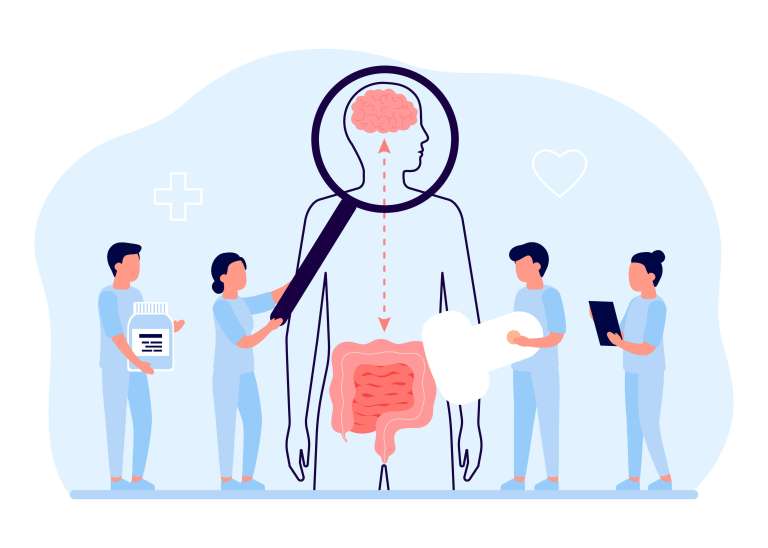
The Gut as the Second Brain
Although the gut tends to be overlooked as a bodily organ that is simply in support of aiding the body’s digestive and metabolic processes, current research suggests that the gut is actually the human body’s “second brain”. In fact, our gut is responsible for creating and harbouring a large percentage of the body’s neurotransmitters. Up to 95% of the body’s serotonin – also known as the “happy” hormone, which is the neurotransmitter responsible for stabilizing our mood, is produced in the gut.
The Bidirectional Relationship Between the Gut and Brain
The gut and brain communicate with each other in a constant, dynamic and two-way direction through a sophisticated signalling system. This relationship between the gut and the brain is referred to as the “gut-brain axis”. The vagus nerve is an important channel by which information is transmitted between the gut and the brain. This bidirectional communication means that the gut sends signals to, as well as receives signals from the brain. The vast majority (90%) of signals travel upward, keeping the brain constantly informed about gut activity.